
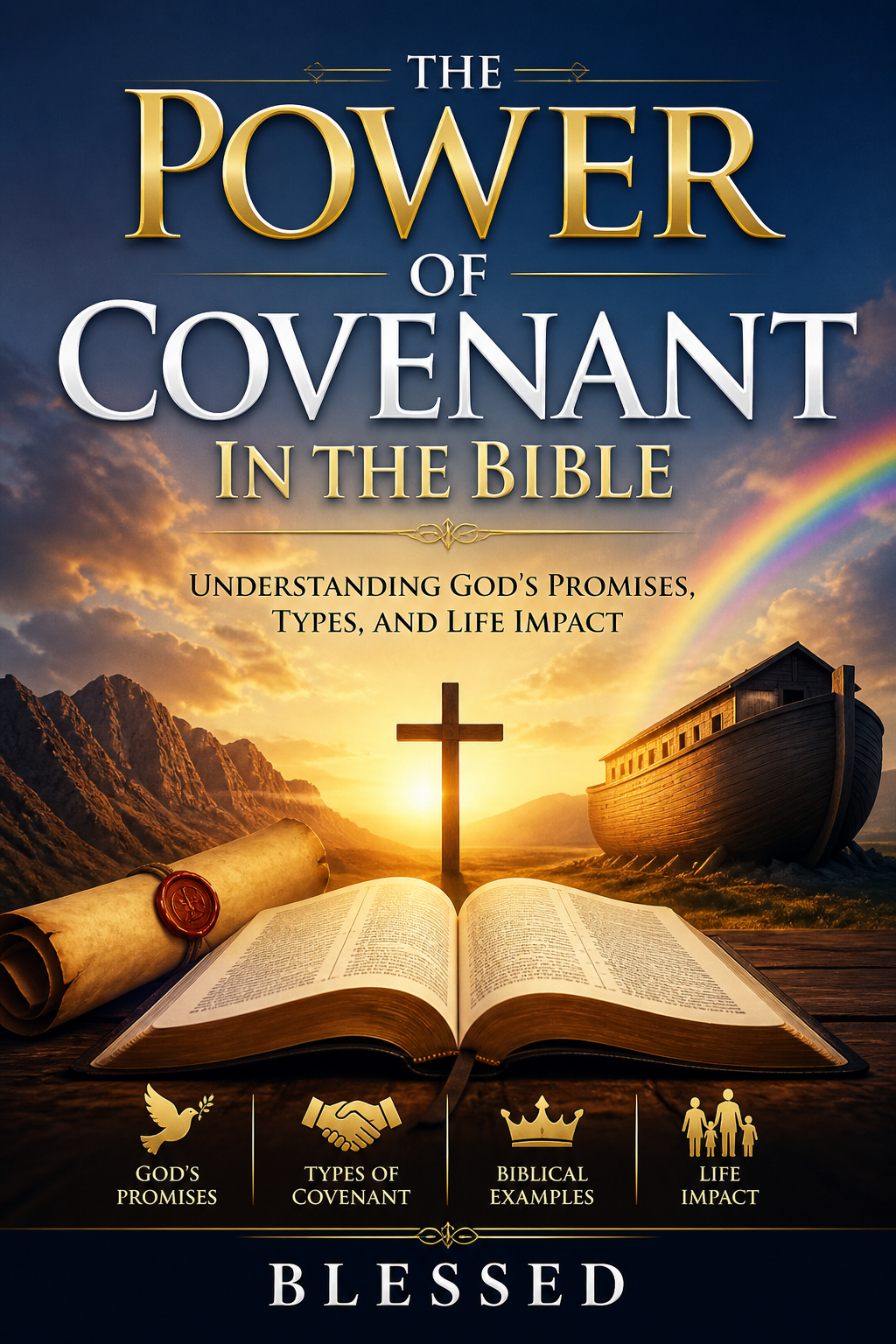
Introduction: Why Covenant Matters
The concept of covenant is one of the most important foundations in the Bible. It goes beyond a simple agreement and represents a deep spiritual relationship built on commitment, trust, and responsibility.
In Scripture, covenants define how God relates to humanity and how people are expected to respond to Him. Understanding the covenant helps believers live with wisdom, accountability, and strong faith in God’s promises.
What Is a Covenant?
A covenant is a sacred and binding agreement between two or more parties that includes promises, responsibilities, and long-term consequences.
In the Bible, covenants are not casual contracts. They are divine commitments that shape generations and determine spiritual direction.
For example, in Genesis 15, God made a covenant with Abraham, which became the foundation of Israel’s history and God’s redemptive plan for humanity.
God Is a Covenant-Keeping God
One of the strongest truths in Scripture is that God always keeps His promises.
“Know therefore that the Lord thy God, he is God, the faithful God, which keepeth covenant…” — Deuteronomy 7:9 (KJV)
“My covenant will I not break, nor alter the thing that is gone out of my lips.” — Psalm 89:34 (KJV)
These verses reveal that God’s word is stable, trustworthy, and eternal. He does not break His promises.
Biblical Examples of God’s Covenants
1. The Covenant with Noah
After the flood, God promised never again to destroy the earth with water and gave the rainbow as a sign (Genesis 9:13). This covenant shows God’s mercy and faithfulness.
2. The Covenant with Abraham
God promised Abraham that he would become the father of many nations (Genesis 17:4–7). This covenant demonstrates faith, obedience, and divine blessing.
3. The Mosaic Covenant
Through Moses, God gave Israel His law at Mount Sinai (Exodus 19–24). This covenant emphasized holiness, obedience, and responsibility.
4. The New Covenant in Christ
Through Jesus Christ, God established a new covenant based on grace, forgiveness, and salvation (Luke 22:20). This is the foundation of the Christian faith.
The Purpose of the Covenant
Covenants in the Bible serve several important purposes:
- To establish a relationship between God and humanity
- To reveal God’s promises and faithfulness
- To guide human behavior and spiritual living
- To demonstrate God’s mercy and redemption
When believers understand the covenant, they develop confidence in God even during difficult times.
The Power of Covenant in Human Life
Living under God’s covenant brings transformation and direction.
It means:
- God’s promises become your foundation of hope
- God’s Word becomes your guide for decisions
- The Holy Spirit strengthens your daily life
- You experience peace, purpose, and spiritual stability
Covenant is not just a doctrine—it is a living relationship with God.
Types of Covenant in the Bible
1. Vertical Covenant (God and Man)
These are divine covenants made by God:
- Noahic Covenant
- Abrahamic Covenant
- Mosaic Covenant
- Davidic Covenant
- New Covenant through Christ
They reveal God’s faithfulness across generations.
2. Horizontal Covenant (Man to Man)
These are agreements between people, such as friendships, marriages, and business relationships.
Such covenants require integrity, honesty, and commitment. Broken trust can lead to conflict and long-term consequences.
3. Negative or Ungodly Covenants
The Bible also warns about harmful spiritual agreements that oppose God’s will (Isaiah 28:15).
These may include ungodly practices, ignorance, or spiritual bondage that affect families and individuals. The Bible encourages believers to walk in truth and freedom in Christ.
Lessons on Integrity in Covenant Relationships
Human agreements are powerful. Whether written or spoken, commitments carry responsibility.
Broken trust in relationships or business dealings often leads to regret and consequences. That is why integrity is very important in every agreement.
A person’s word reflects their character and determines future opportunities.
How to Live Wisely in Covenant Principles
1. Be Aware
Understand fully what you are agreeing to before committing.
2. Seek Wisdom
Pray and seek counsel before making major decisions.
3. Be Faithful
Keep your promises and remain consistent in your commitments.
4. Grow Spiritually
Let God’s Word guide your choices and relationships.
How to Walk in Freedom from Wrongful Bondages
The Bible encourages believers to walk in freedom and truth through Christ. Key steps include:
- Genuine repentance (Isaiah 59:1–2)
- Prayer and spiritual discipline (Mark 9:29)
- Rejecting anything contrary to God’s will
- Embracing the new covenant in Christ (Jeremiah 31:31, Hebrews 12:24)
- Praying with Scripture (Galatians 3:13, Revelation 12:11)
Conclusion: Living a Covenant-Conscious Life
Covenant is more than a religious idea—it is a life principle that shapes destiny, relationships, and spiritual direction.
Every decision, promise, and agreement has an impact. A life built on faithfulness, wisdom, and integrity leads to peace and stability.
Above all, God remains faithful to His covenant, and He calls believers to reflect that same faithfulness in their daily lives.