
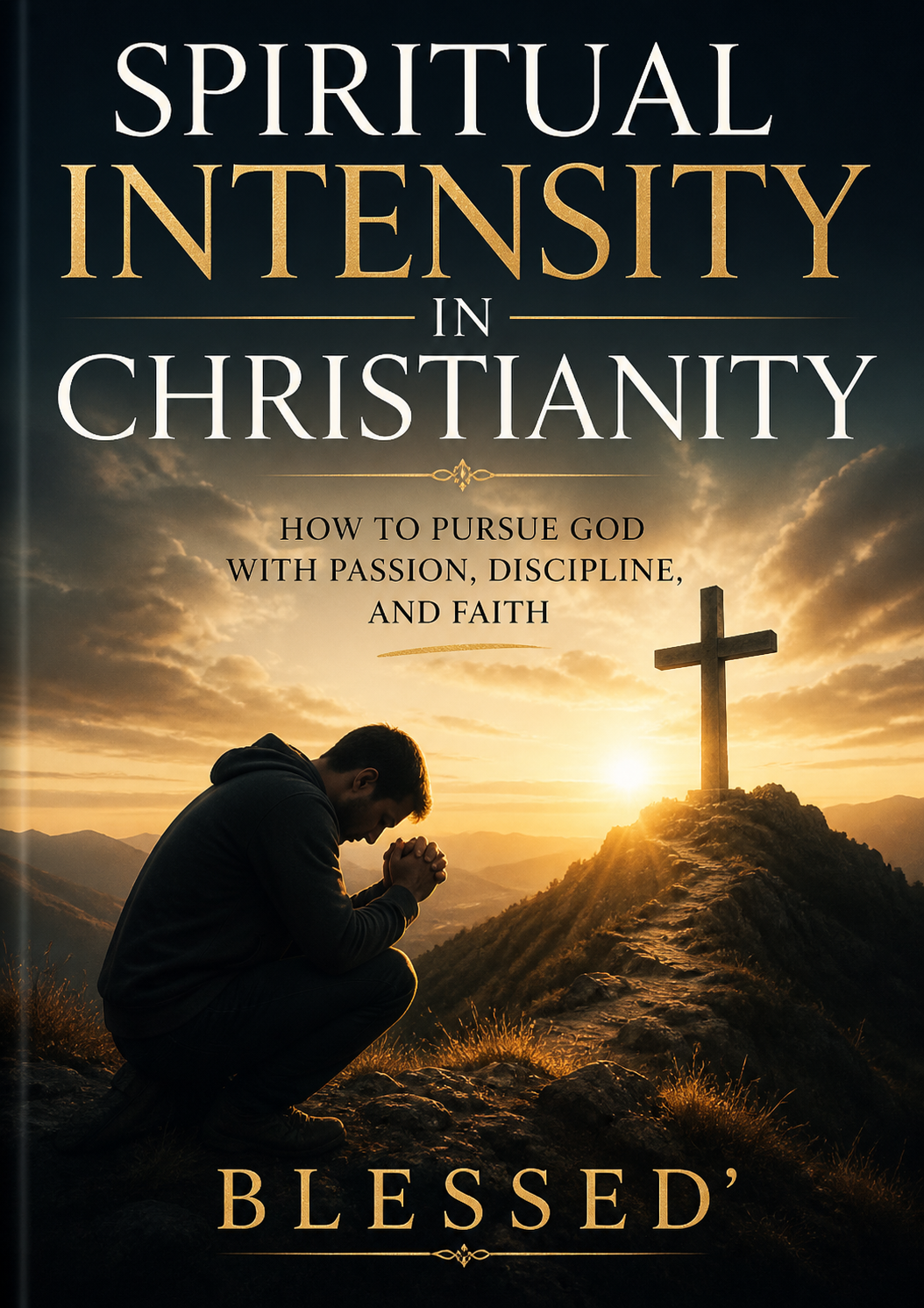
Introduction: A Balanced Understanding
One concept often discussed in Christianity is spiritual intensity.
While some describe it in strong terms, the Bible presents it as something different—a deep commitment, persistence, and focused pursuit of God rather than physical or emotional extremes.
The Christian journey is not passive. It involves:
- Focus
- Discipline
- Consistency
- A sincere desire to grow in faith
Understanding this balance helps believers grow in a healthy and stable spiritual life.
1. What Spiritual Intensity Means
Spiritual intensity refers to a consistent and serious commitment to God, rather than a casual or distracted approach to faith.
It involves:
- Taking your spiritual life seriously
- Remaining consistent in prayer
- Staying committed even when progress feels slow
It is not about pressure or aggression, but about steady and sincere devotion.
2. Biblical Examples of Persistence
Blind Bartimaeus (Mark 10:46–52)
Bartimaeus called out to Jesus despite being told to stay quiet. His persistence showed strong faith and determination.
This story highlights that sincere spiritual pursuit often requires consistency and focus.
The Woman with the Issue of Blood (Luke 8:43–48)
She pushed through the crowd with faith that Jesus could help her.
Her action demonstrated courage, belief, and determination despite challenges.
These examples show that faith is often expressed through persistence and trust in God.
3. A Practical Life Illustration
In everyday life, persistence often plays an important role in achieving goals.
For example, in many competitive environments, such as job applications or opportunities, individuals who remain consistent and continue improving themselves often have better long-term outcomes than those who give up early.
This illustrates a general principle:
Consistency and patience often lead to better results over time.
4. Why Spiritual Consistency Matters
Life presents many challenges, and faith can be tested in different seasons.
Without discipline, it is easy to:
- Lose focus
- Become discouraged
- Stop growing spiritually
However, with consistent spiritual practice, individuals often experience:
- Stronger faith
- Greater clarity
- Improved emotional stability
5. Practical Ways to Grow Spiritually
Healthy spiritual growth includes:
1. Consistent Prayer
Maintaining regular communication with God.
2. Faith Development
Trusting God even when answers are not immediate.
3. Studying Scripture
Learning and applying biblical principles daily.
4. Discipline
Choosing habits that strengthen spiritual growth.
5. Obedience
Practicing what is learned, not just hearing it.
6. Maintaining Balance in Spiritual Growth
True spiritual growth should be balanced.
It should:
- Build faith
- Encourage peace
- Strengthen character
It should not lead to:
- Fear
- Pressure
- Emotional imbalance
Healthy Christianity is steady, peaceful, and grounded.
Conclusion
Spiritual growth is not about rushing or forcing results.
It is about staying consistent, faithful, and committed over time.
When believers maintain discipline and trust in God, their spiritual life becomes stronger and more stable.
True growth comes from steady devotion, not sudden effort