
Introduction
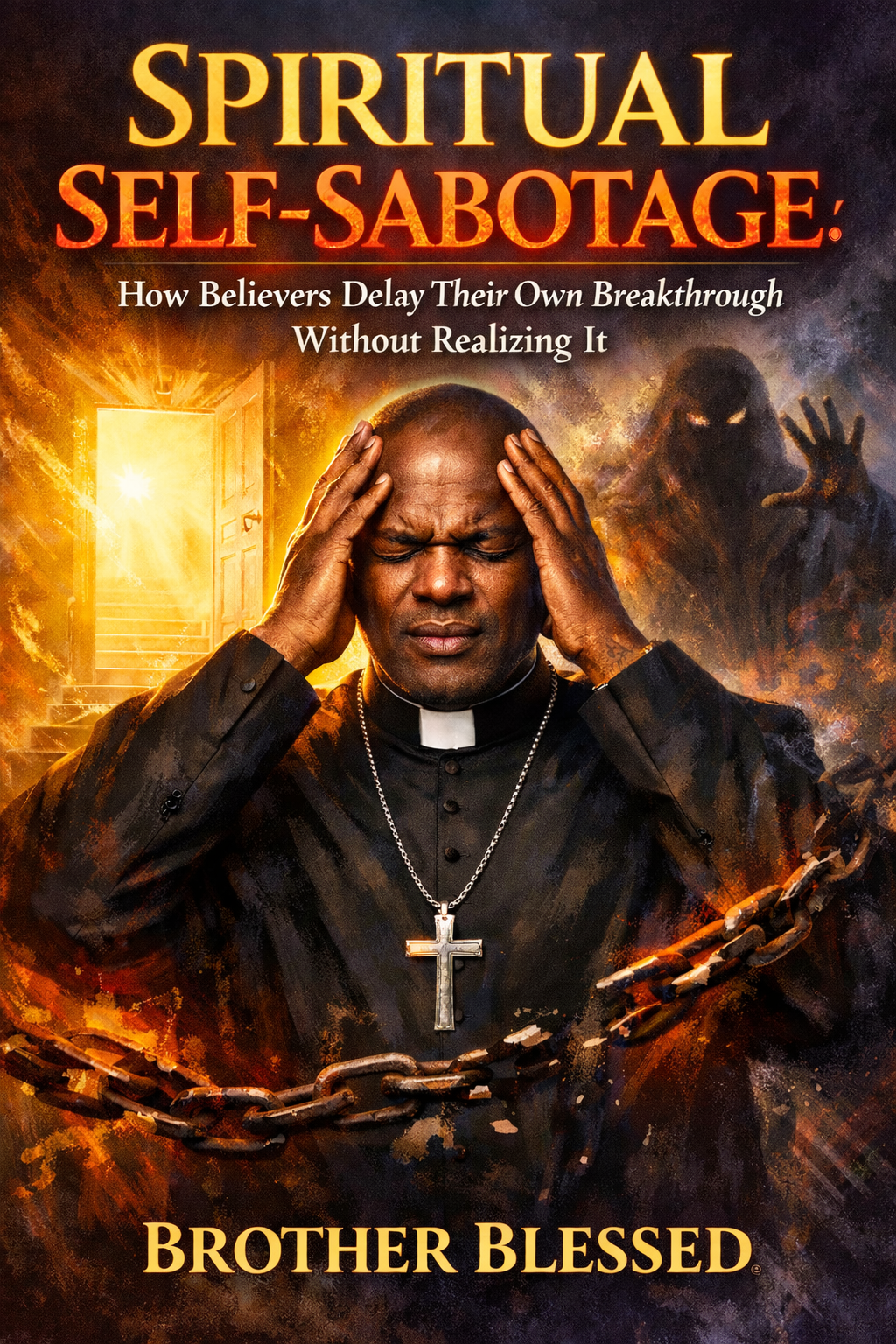
Many believers pray for breakthroughs, open doors, and divine acceleration. Yet, unknowingly, some Christians delay the very answers they are praying for—not because God is unwilling, but because of subtle habits, mindsets, and behaviors known as spiritual self-sabotage.
Spiritual self-sabotage occurs when our actions, attitudes, or beliefs quietly contradict what we are asking God to do. It is rarely intentional, which makes it especially dangerous.
This article will help you identify hidden self-sabotaging patterns and provide practical steps to overcome them.
1. What Is Spiritual Self-Sabotage?
Spiritual self-sabotage occurs when a believer:
- Prays for progress but resists change
- Asks for growth but avoids discipline
- Seeks blessings but clings to fear
- Desires promotion but refuses preparation
It is the gap between what we ask God for and how we live daily.
“You ask and do not receive, because you ask with wrong motives.” — James 4:3
2. Common Ways Believers Sabotage Their Own Breakthrough
A. Delayed Obedience
God gives clear instructions, but fear or comfort can cause a delay. Delayed obedience weakens momentum and postpones results.
B. Fear Disguised as Wisdom
Overthinking, excessive caution, and “waiting for perfect timing” often hide fear rather than faith.
C. Negative Confessions
Words shape faith. Constantly speaking doubt, failure, or fear contradicts prayer and expectation.
D. Comfort Over Growth
Breakthrough requires discomfort. Choosing comfort keeps believers stuck in familiar cycles.
E. Refusing to Let Go of Old Patterns
God cannot pour new wine into old containers. Unreleased habits block new seasons.
F. Comparison and Jealousy
Comparison breeds discouragement and distraction, pulling focus away from God’s unique process for your life.
3. Biblical Examples of Self-Sabotage
The Israelites
They prayed for freedom but complained in the wilderness, delaying entry into the Promised Land.
Jonah
Fear caused him to run from his assignment, creating unnecessary hardship.
King Saul
Partial obedience sabotaged divine favor and leadership authority.
These stories show that God’s promises are sure, but human resistance can delay fulfillment.
4. Signs You May Be Self-Sabotaging Spiritually
- Repeating the same prayers without progress
- Feeling spiritually restless or stuck
- Knowing what to do but avoiding it
- Fear of success or change
- Making excuses for disobedience
- Blaming external factors instead of examining yourself
Self-sabotage often hides behind spiritual language.
5. How to Break Free From Spiritual Self-Sabotage (Actionable Steps)
1. Identify the Last Clear Instruction From God
Start where obedience stopped. Breakthrough often begins with unfinished obedience.
2. Replace Fear With Faith-Based Action
Courage grows through movement, not waiting.
3. Align Your Words With Your Prayers
Speak life, trust, and expectancy daily.
4. Embrace Necessary Discomfort
Growth requires stretching. Don’t avoid what God is using to prepare you.
5. Release What No Longer Serves Your Future
Let go of habits, relationships, or mindsets God is asking you to surrender.
6. Seek Accountability
Isolation increases sabotage. Wise counsel brings clarity.
7. Trust God’s Process
Don’t rush or resist preparation. God’s timing matters.
6. What Happens When Self-Sabotage Ends
When believers stop working against themselves:
- Breakthrough accelerates
- Peace replaces confusion
- Confidence replaces fear
- Alignment brings clarity
- Obedience releases favor
- Faith becomes active
God responds quickly to alignment.
Conclusion: Stop Blocking What You Are Praying For
God is not withholding your breakthrough.
Often, He is waiting for alignment, obedience, and trust.
When you remove self-sabotage, you remove the resistance blocking God’s work.
Choose courage over comfort.
Choose obedience over delay.
Choose faith over fear.
Your breakthrough may be closer than you think—once you stop standing in your own way.