
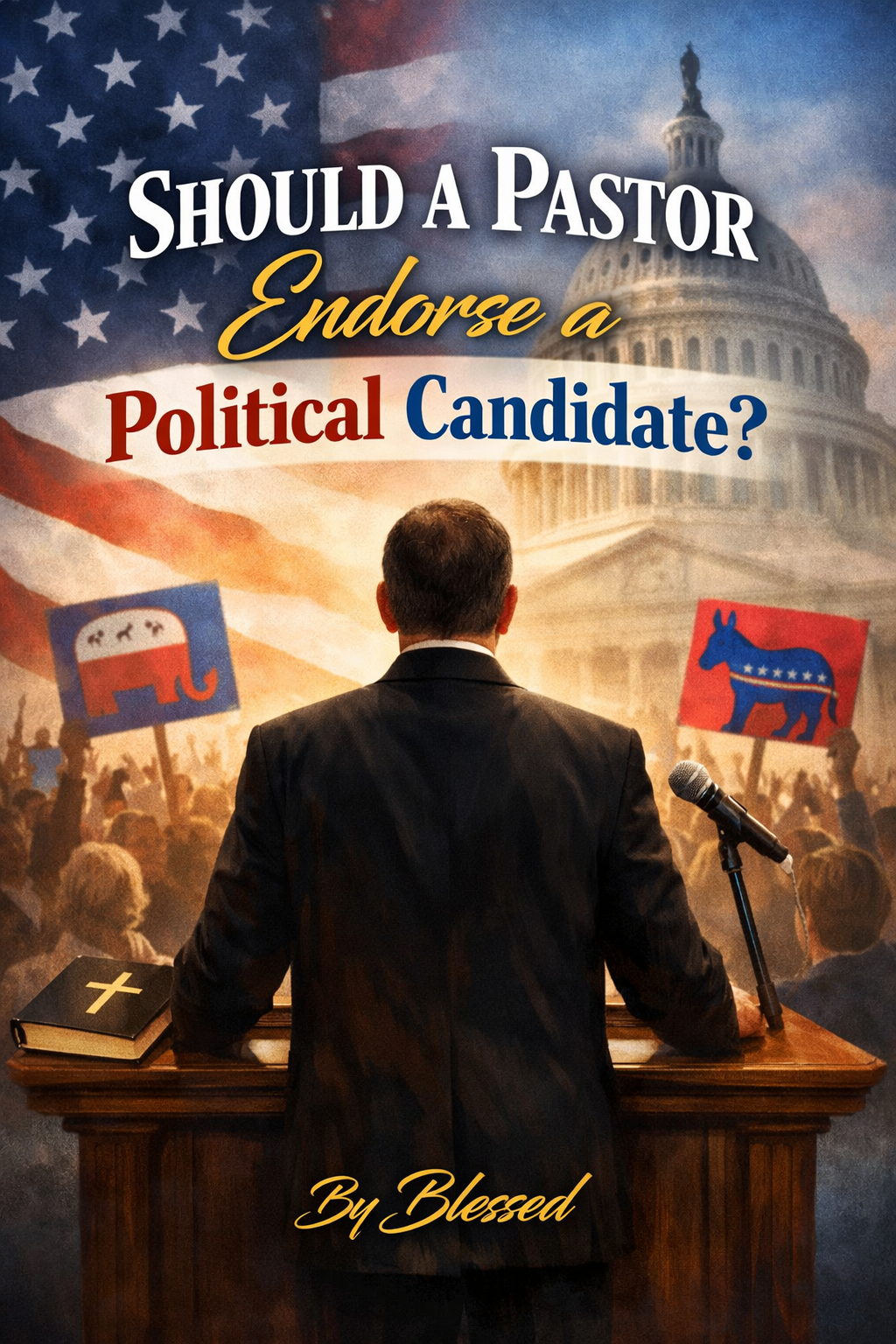
Should a Pastor Endorse a Political Candidate?
In today’s complex world, the intersection of faith and politics has become a hotly debated topic. Pastors are often looked upon as moral guides, spiritual mentors, and community leaders. With such influence, their words carry weight—sometimes even into the political arena. But this raises a pressing question: Should a pastor endorse a political candidate?
This article explores this dilemma, offering a comprehensive, actionable, and transformative perspective for believers, church leaders, and the wider community.
The Influence of Pastors in Society
Historically, pastors have been central figures in guiding communities through moral, spiritual, and social challenges. Their counsel is trusted, their platforms amplified, and their opinions often shape public perception. This influence can have both profound and dangerous implications when directed toward political endorsements.
When a pastor publicly supports a candidate, congregants may feel pressured to align their political choices with the church’s voice. This can inadvertently blur the line between spiritual guidance and political manipulation.
Spiritual Authority vs. Political Advocacy
Pastoral authority rests on spiritual discernment, ethical guidance, and biblical truth. Politics, by contrast, is inherently partisan and often divisive. Endorsing a candidate may compromise a pastor’s perceived neutrality and risk transforming sacred spaces into political battlegrounds.
Consider these key points:
- Unity in Diversity: Churches thrive on shared faith, not political uniformity. Open endorsements can alienate members with differing political views, undermining fellowship.
- Focus on Eternal Values: Pastors are called to guide on eternal principles like justice, mercy, integrity, and love—not transient political agendas.
- Avoiding Partisan Perception: When spiritual leaders endorse candidates, they risk being perceived as political operatives, which can erode trust in their spiritual guidance.
Ethical and Legal Considerations
In many countries, pastors must also navigate legal frameworks. For example, in the United States, endorsing a political candidate from the pulpit can jeopardize a church’s tax-exempt status under IRS rules. Beyond legality, ethical questions arise:
- Is it fair to use the church platform to influence votes?
- Does endorsing a candidate prioritize political outcomes over spiritual well-being?
These considerations highlight the need for pastors to weigh every action carefully, ensuring that influence is exercised responsibly.
Transformative Alternatives to Political Endorsements
Pastors can positively influence civic life without direct endorsements. Here are actionable strategies:
- Educate Rather Than Direct: Encourage congregants to understand political issues, evaluate candidates based on moral integrity, and vote thoughtfully.
- Teach Biblical Principles in Leadership: Use sermons to discuss justice, honesty, compassion, and stewardship, applying these lessons to civic life.
- Foster Community Engagement: Organize forums or debates where multiple candidates can present their visions without imposing a pastoral preference.
- Lead by Example in Service: Demonstrate values like fairness, service, and integrity through social programs, showing how faith translates into civic action.
By taking this approach, pastors empower congregants to make informed choices while preserving unity and spiritual authority.
Emotional Impact on Congregants
Pastoral endorsements can evoke strong emotions—both positive and negative. Some members may feel validated, while others feel betrayed or silenced. Such emotional tension can fracture communities and harm long-term spiritual growth.
Pastors must ask themselves: Does my endorsement build faith or divide it? Am I serving the eternal needs of my congregation or momentary political interests?
Conclusion: A Call for Discernment
The decision to endorse a political candidate is not one to be taken lightly. Pastors wield immense spiritual influence, and with influence comes responsibility. While the temptation to guide congregants politically may be strong, the greater calling is to shepherd hearts toward biblical truth, ethical living, and compassionate citizenship.
Pastors can inspire civic engagement without endorsing candidates, leaving room for congregants to act with conscience and integrity. In doing so, they preserve the church’s sacred mission and foster a community grounded in faith, not politics.
Takeaway
A pastor’s role is spiritual leadership first. Politics second. Endorsing a candidate may compromise unity, ethical responsibility, and spiritual authority. The most transformative action is teaching principles, fostering informed engagement, and empowering believers to act wisely—not dictating political choices
❓ Frequently Asked Questions (FAQs)
1. Is it biblical for pastors to endorse political candidates?
The Bible does not directly address modern political endorsements, but it emphasizes spiritual leadership, unity, and teaching godly principles rather than partisan support.
2. Can a pastor lose trust by endorsing a political candidate?
Yes. Political endorsements can divide congregations, create bias, and reduce trust in the pastor’s spiritual neutrality and guidance.
3. How can pastors influence politics without endorsing candidates?
Pastors can teach biblical values, encourage civic responsibility, host neutral forums, and guide congregants to make informed, ethical voting decisions.
📣 Call to Action (CTA)
If you found this article helpful, take a moment to reflect on how faith should guide leadership, influence, and civic responsibility. Share this message with your church community, friends, or Bible study group to encourage balanced and godly perspectives on politics.
👉 Leave a comment below: Should pastors stay neutral in politics or speak out on issues? Your voice matters.