
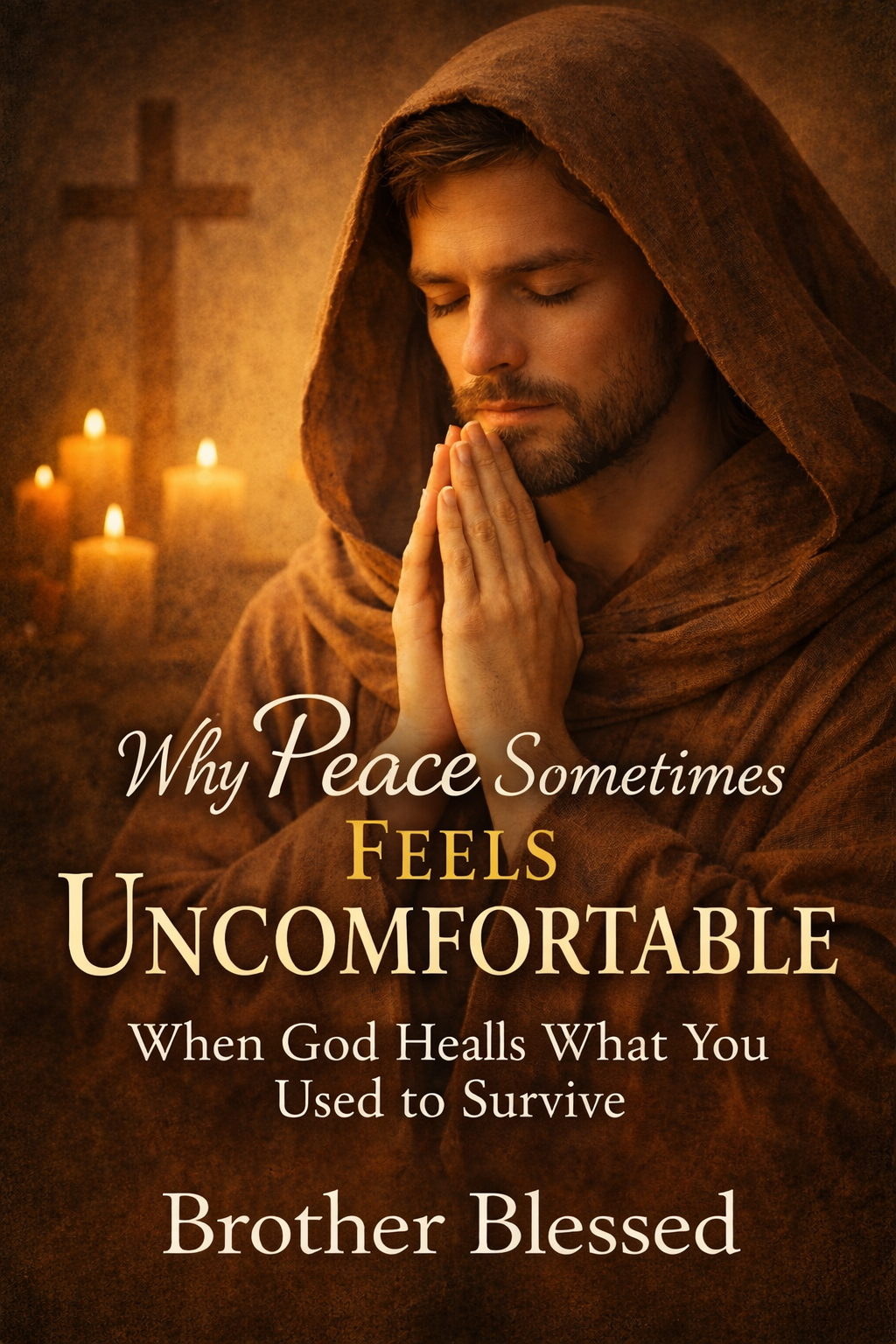
Introduction
Peace is supposed to feel good.
Calm. Safe. Settled.
So why does it sometimes feel strange—almost unsettling—when life finally slows down? Why do some people feel anxious, not in chaos, but in quiet?
The answer is uncomfortable, yet freeing: peace can feel foreign to a soul that learned how to survive, not how to rest.
When Survival Becomes Familiar
Many people didn’t grow up learning peace. They learned alertness. Quick thinking. Emotional armor. Staying ready for what might go wrong.
Survival teaches you to:
- Stay guarded
- Expect disruption
- Prepare for disappointment
These skills may have protected you once. But when God begins to heal you, those same habits can make peace feel unsafe.
What once kept you alive can later keep you restless.
Why Healing Feels Disorienting
Healing removes the constant tension you relied on to function. When the noise fades, you suddenly notice how much of your identity was built around endurance.
Peace feels uncomfortable because:
- You’re no longer reacting, but resting
- You’re not needed in crisis mode
- You don’t know who you are without pressure
This is not failure. It’s transition.
The Anxiety of Quiet Moments
For some people, quiet is where fear grows louder. Without distraction, buried thoughts surface. Without urgency, unresolved wounds ask for attention.
Peace invites you to feel what survival taught you to suppress.
God doesn’t remove chaos just to leave you empty—He removes it to heal what chaos was hiding.
When Peace Threatens Old Coping Mechanisms
Survival mode becomes an identity. You pride yourself on being strong, adaptable, dependable. Peace challenges that image.
Without constant struggle:
- You must face vulnerability
- You must relearn trust
- You must allow yourself to be held, not just hold others
Peace exposes the parts of you that never learned safety.
God Heals What You Used to Depend On
God does not shame survival. He understands why you learned it. But He does invite you into something better.
Healing doesn’t erase your strength—it redefines it. Strength becomes the ability to rest, to receive, to trust without tension.
Peace asks you to release control and let God sustain what you used to manage alone.
How to Lean Into Uncomfortable Peace (Actionable Steps)
1. Acknowledge That Discomfort Is Normal
Feeling uneasy in peace doesn’t mean something is wrong—it means something is changing.
2. Slow Down Without Filling the Space
Resist the urge to replace peace with busyness. Sit with the quiet.
3. Notice What Peace Brings Up
Pay attention to emotions that surface. They are invitations to healing, not threats.
4. Practice Receiving, Not Just Doing
Let yourself be cared for—by God and by people.
5. Redefine Safety
Safety is not constant readiness. It is trust in God’s presence.
Peace Is Not the Absence of Trouble
Peace is not a guarantee that nothing will go wrong. It is the confidence that you are no longer alone in what you do.
When God heals what you used to survive, He is teaching your soul a new language—one that doesn’t rely on fear to function.