
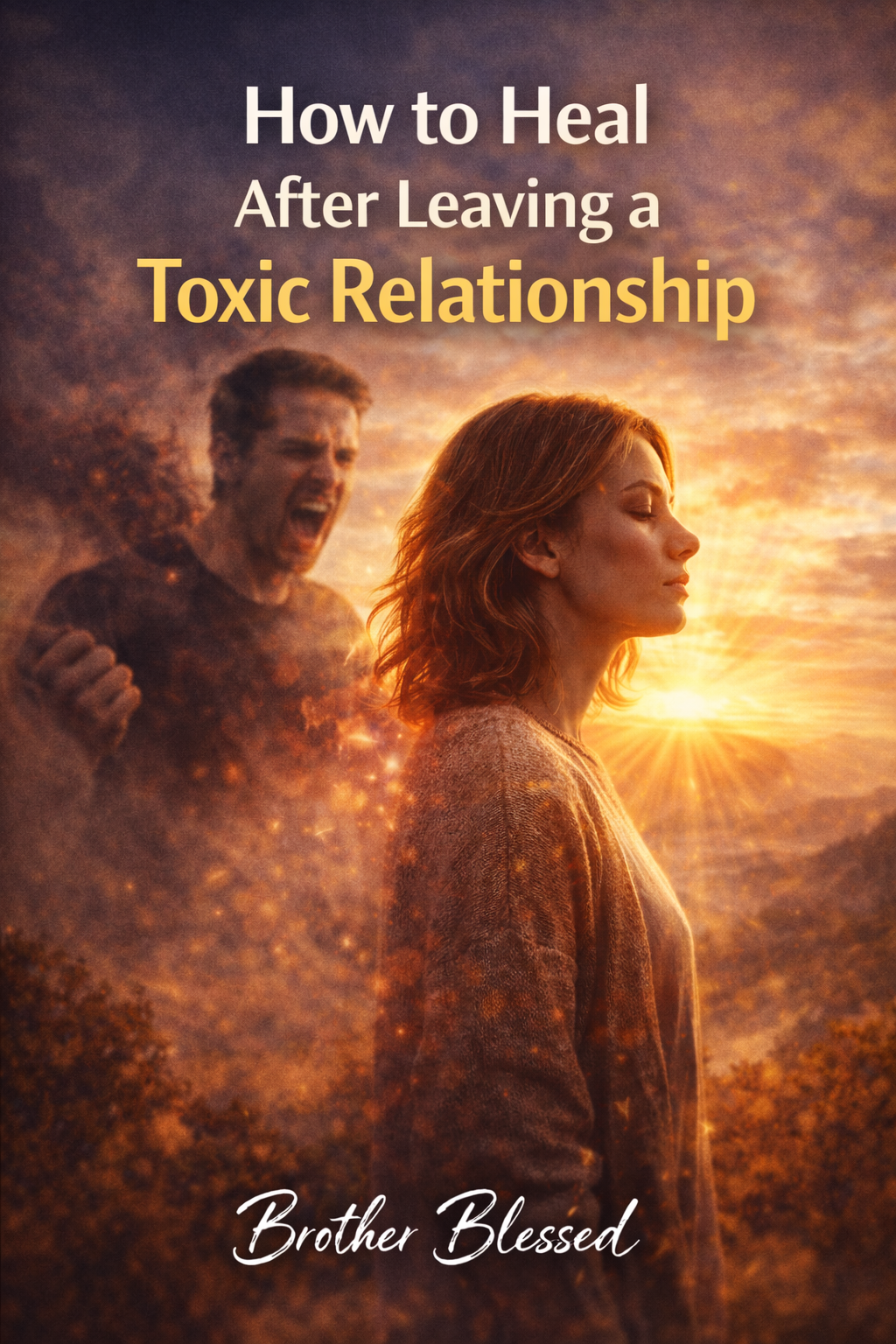
Rebuild your identity, restore your peace, and rise stronger than ever
Leaving a toxic relationship is one of the bravest decisions a person can make. But the truth is—walking away is only the first step. The real transformation begins after you leave.
Healing takes time, intentional effort, and the courage to rebuild yourself piece by piece. This guide will walk you through practical, compassionate, and empowering steps to heal, rediscover your worth, and live with confidence again.
1. Acknowledge Your Pain Instead of Ignoring It
Healing begins with honesty.
After leaving a toxic relationship, you may feel:
- Sadness
- Anger
- Confusion
- Guilt
- Relief
- Loneliness
All of these emotions are normal. Suppressing them only delays healing.
Allow yourself to feel—without judging yourself.
Helpful practices include:
- Journaling your thoughts
- Crying when you need to
- Talking to someone you trust
You cannot heal what you refuse to face.
2. Cut Off or Strongly Limit Contact
Remaining in contact after leaving a toxic relationship can pull you back emotionally. Toxic people often know how to:
- Manipulate
- Guilt-trip
- Make empty promises
- Play the victim
- Reignite unhealthy cycles
Protect yourself by:
- Blocking their phone number
- Unfollowing or muting them on social media
- Avoiding gossip and shared drama
- Creating distance from their circle
- Setting firm boundaries if children are involved
Peace begins where manipulation ends.
3. Rebuild Your Identity
Toxic relationships erode self-esteem. You may begin doubting who you are and what you deserve.
Use this season to rediscover yourself:
- What do you truly enjoy?
- What dreams did you abandon?
- What makes you feel alive?
- Who do you want to become now?
Try new or forgotten activities:
- Reading
- Joining a fitness class
- Taking a course
- Starting a hobby
- Volunteering
Little by little, you reclaim the person you were always meant to be.
4. Surround Yourself With Positive People
Healing thrives in supportive environments.
Spend time with people who:
- Encourage you
- Listen without judgment
- Speak truth with kindness
- Inspire growth
- Bring peace, not stress
Even one supportive person can make a significant difference.
If you feel alone, consider:
- Support groups
- Church or faith communities
- Counseling
- Safe online spaces
You do not have to heal alone.
5. Seek Professional Help If Needed
Therapists, counselors, or trusted professionals can help you process:
- Trauma
- Emotional wounds
- Fear and self-doubt
- Unhealthy patterns
Guided healing often leads to deeper, lasting recovery.
Remember:
Seeking help is not weakness—it is wisdom.
6. Practice Self-Love and Self-Care Daily
Toxic relationships drain your sense of worth. Now is the time to restore it.
Simple but powerful self-care practices include:
- Taking walks
- Eating nourishing meals
- Sleeping well
- Spending time in nature
- Speaking positive affirmations
- Reading uplifting books
- Resting intentionally
- Practicing deep breathing or meditation
- Reconnecting spiritually through prayer
You deserve gentleness after emotional storms.
7. Replace Negative Thoughts With Empowering Truths
Toxic relationships often leave harmful mental echoes:
“You’re not enough.”
“No one else will love you.”
“You can’t survive without me.”
These are lies.
Replace them with truth:
- “I am worthy of healthy love.”
- “I am healing and growing.”
- “My past does not define me.”
- “My life has value.”
- “I choose peace over pain.”
Your thoughts shape your recovery.
8. Forgive Yourself — Not the Toxic Behavior
Forgiveness does not excuse what happened.
It means choosing freedom over bitterness.
Forgive yourself for:
- Staying longer than you should have
- Ignoring red flags
- Believing lies
- Loving someone who hurt you
You did the best you could with what you knew then.
Now you know better—and you will choose better.
9. Set New, Healthy Relationship Standards
Healing is not just about letting go—it’s about preparing for something healthier.
Define what you want moving forward:
- Respect
- Honesty
- Emotional safety
- Mutual support
- Healthy communication
- Shared values
- Boundaries that are honored
You deserve relationships that help you grow—not ones that break you.
10. Take Your Time — Healing Is Not a Race
There is no deadline for healing.
Some days will feel heavy. Others will feel lighter.
Celebrate every small victory:
- Sleeping peacefully
- Smiling again
- Feeling confident
- Reclaiming joy
- Saying “no” without fear
Healing is slow—but it is steady.
Final Thoughts
Healing after a toxic relationship is not easy—but it is possible.
You are not broken.
You are becoming stronger, wiser, and more self-aware.
Remember:
You survived the storm.
Now you are rebuilding your life—on a stronger foundation.
Your future will be brighter than your past.