
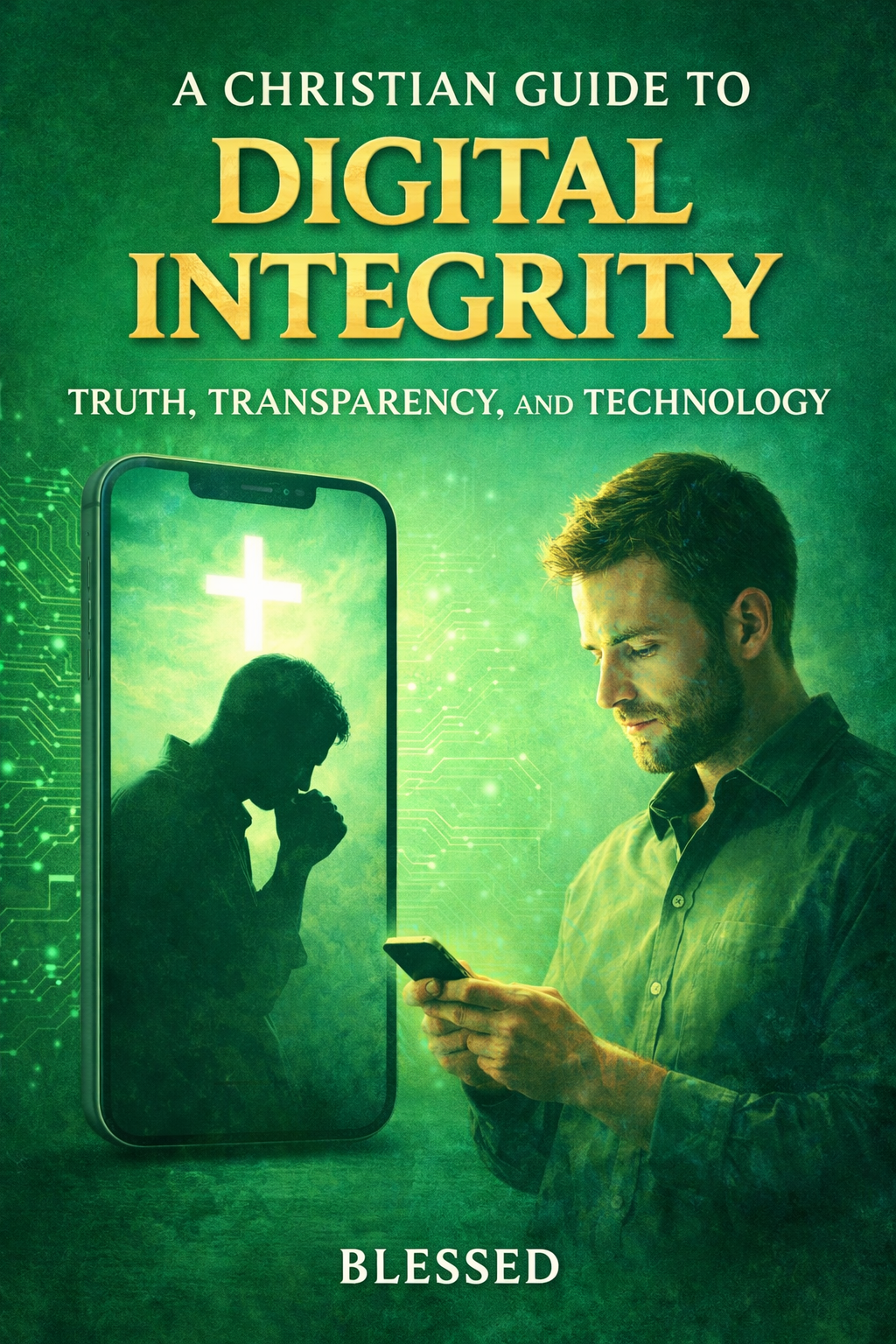
A Christian Guide to Digital Integrity: Truth, Transparency, and Technology
We live in a world where screens rarely go dark.
We wake up to notifications. We scroll before we pray. We post before we reflect. Technology has become the new environment in which we think, speak, relate, and even worship.
But here is the uncomfortable truth:
The digital world does not remove the call to holiness—it reveals it.
Integrity is no longer tested only in physical spaces. It is tested in private browsing history, in direct messages, in anonymous comments, in what we share, and in what we secretly consume.
For Christians, digital integrity is not optional. It is discipleship in the modern age.
What Is Digital Integrity?
Digital integrity is living with the same honesty, purity, and Christ-centered character online that you claim offline.
It means:
- Being truthful even when misinformation spreads faster.
- Being transparent even when image management is easier.
- Being accountable even when no one is watching.
Integrity is who you are when your phone is in your hand, and no one else is in the room.
Technology amplifies who we already are. If there is pride, it will magnify it. If there is insecurity, it will expose it. If there is deception, it will eventually be revealed.
Digital integrity begins in the heart, not in the algorithm.
Why Digital Integrity Matters More Than Ever
- The Internet Never Forgets
What you delete may still exist. What you post in emotion may resurface in destiny. - Influence Is Easier to Gain—and Easier to Abuse
Anyone can build a platform. Not everyone builds character. - Private Sin Is More Accessible
Temptation is now one click away. Privacy has made compromise convenient. - Truth Is Constantly Distorted
Half-truths, edited narratives, and viral lies compete with biblical truth daily.
In this environment, Christians are called to stand out—not blend in.
The Three Pillars of Digital Integrity
1. Truth: Refuse to Live a Curated Lie
Social media rewards performance. It invites us to exaggerate success, filter reality, and present edited versions of ourselves.
But a curated life can become a dishonest life.
Ask yourself:
- Am I portraying something online that is not true offline?
- Do I post for approval or from conviction?
- Am I spreading information without verifying it?
Action Steps:
- Fact-check before sharing news or quotes.
- Avoid exaggeration to gain sympathy or admiration.
- Admit publicly when you are wrong.
Truth builds credibility. Credibility builds lasting influence.
2. Transparency: Live in the Light
Transparency does not mean oversharing. It means refusing secret patterns that contradict your faith.
Many believers look spiritually strong online but struggle privately with hidden habits—pornography, inappropriate conversations, manipulation, envy, or addiction to validation.
Hidden compromise weakens spiritual authority.
Action Steps:
- Invite accountability into your digital life.
- Install safeguards if necessary.
- Confess struggles before they become scandals.
- Ask: “Would I be comfortable if my pastor, spouse, or child saw this?”
Transparency protects your future.
3. Technology: Use It—Don’t Let It Use You
Technology is a tool. It is not your master.
Without discipline, it can:
- Shorten your attention span
- Replace prayer time
- Fuel comparison
- Create addiction to validation
- Distort your identity
The question is not whether technology is good or bad.
The question is: Who is in control?
Action Steps:
- Set time limits for social media.
- Take regular digital fasts.
- Turn off notifications during prayer or family time.
- Create tech-free zones in your home.
When you control your devices, you guard your devotion.
Warning Signs You May Be Compromising Digital Integrity
- You delete messages to avoid accountability.
- You maintain secret online relationships.
- You consume content you would never watch publicly.
- You feel anxious if you are not constantly checking your phone.
- You shape your posts for applause instead of purpose.
- You engage in arguments that damage your witness.
Conviction is a gift. It is not condemnation—it is protection.
How to Build Unshakeable Digital Integrity
1. Strengthen Your Private Walk with God
Public integrity flows from private devotion.
If prayer decreases, compromise increases.
2. Value Character Over Clout
Followers can increase overnight. Character takes years to build—and seconds to destroy.
3. Remember That You Represent Christ
Every comment, post, reaction, and repost speaks.
You are not just expressing yourself. You are representing your faith.
4. Practice Digital Humility
Not every opinion needs to be posted.
Not every debate needs your voice.
Silence can be spiritual maturity.
5. Think Legacy, Not Likes
Ask:
“How will this look in five years?”
“Would I be proud of this if it were shown publicly?”
Legacy-driven believers post differently.
The Blessing of Digital Integrity
When you walk in, digital integrity:
- Peace replaces paranoia.
- Confidence replaces hiding.
- Authority replaces insecurity.
- Trust grows around you.
- Your witness becomes credible.
God can trust believers who live consistently—in private and in public.
Technology may evolve. Platforms may change. Trends may shift.
But integrity never goes out of style.
Final Reflection
The digital world rewards speed, outrage, and image.
The Kingdom rewards truth, faithfulness, and character.
You may never trend.
You may never go viral.
But if you remain truthful, transparent, and disciplined with technology, your influence will be clean—and clean influence carries eternal weight.
Before you post next time, pause and ask:
Does this reflect Christ?
Does this protect my integrity?
Does this honor truth?
Digital integrity is not about perfection.
It is about alignment.
And alignment in a noisy world is a powerful testimony.