
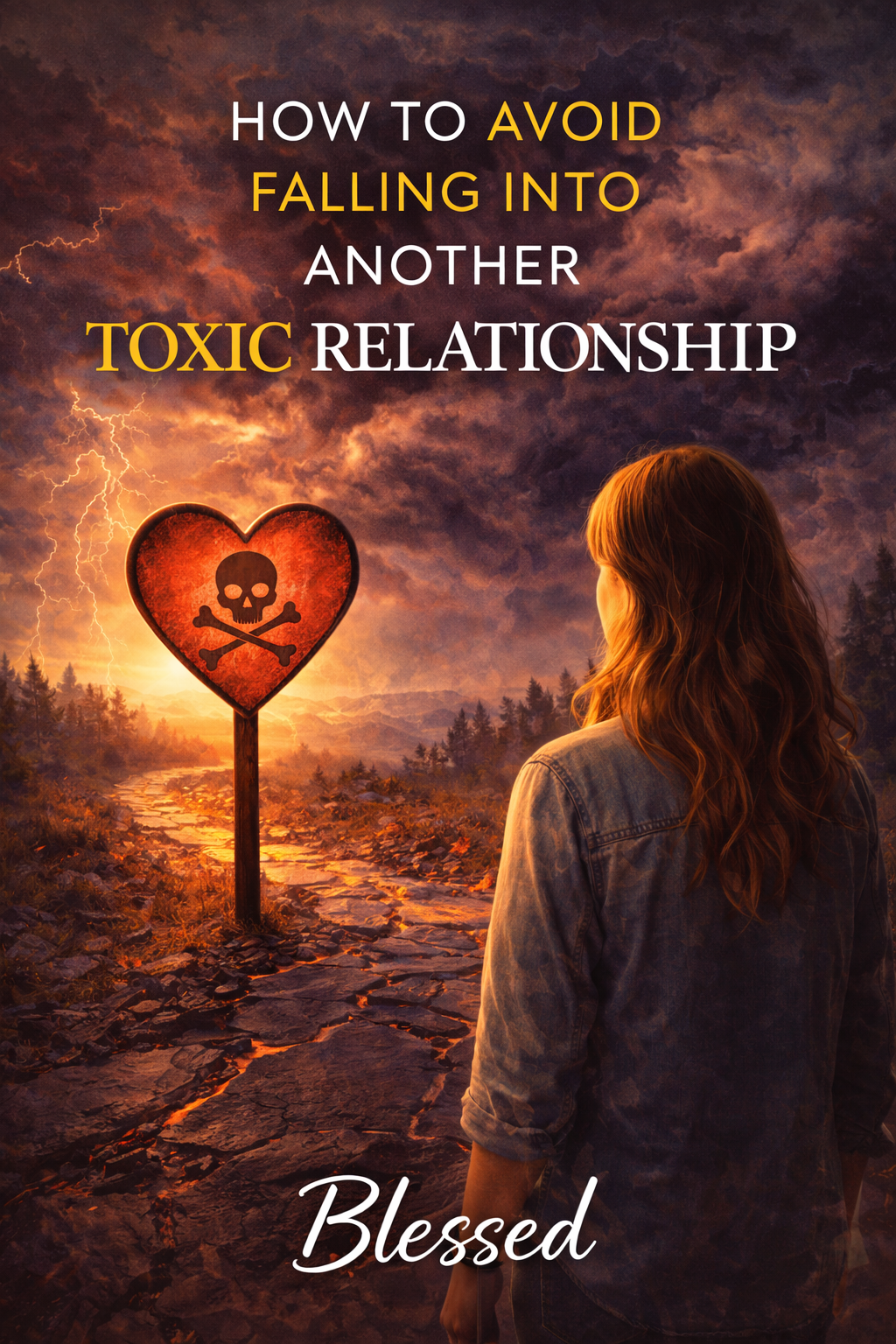
Protect your heart, break unhealthy cycles, and build relationships that bring peace instead of pain
Introduction: The Cycle You Must Break
Leaving a toxic relationship can feel like freedom.
But what many people don’t talk about is this:
Freedom from a toxic relationship does not automatically mean freedom from toxic patterns.
You can leave the person…
but still carry the emotional habits, blind spots, and attachment wounds into your next relationship.
That’s why some people find themselves saying:
“Why do I keep attracting the same kind of people?”
The truth is uncomfortable but powerful:
Until you change your patterns, your experiences may repeat themselves in different forms.
The good news?
You can break the cycle completely.
Not with luck — but with awareness, healing, and intentional choices.
Here’s how.
1. Heal Before You Love Again
The fastest way to repeat a toxic relationship is to enter a new one while still emotionally wounded.
Healing is not a delay — it is protection.
Action steps:
- Spend intentional time alone without dating
- Reflect on emotional patterns from your last relationship
- Journal what hurt you and what you ignored
- Focus on rebuilding your identity outside relationships
A healed heart chooses differently. A rushed heart repeats history.
2. Learn to Recognize Red Flags Early
Toxic relationships rarely start toxic.
They start sweet, intense, and convincing.
That’s why awareness matters.
Common red flags:
- Controlling behavior disguised as “care.”
- Jealousy presented as “love.”
- Constant criticism
- Emotional manipulation or gaslighting
- Boundary violations
- Lack of accountability
Action steps:
- Write down what hurt you in the past
- Keep a personal “red flag list.”
- Compare behavior, not just words
Love does not confuse you. Toxicity does.
3. Set Boundaries That Protect Your Peace
Boundaries are not walls — they are filters.
They show people how to treat you.
Action steps:
- Define what you will and will not tolerate
- Communicate boundaries early, not late
- Enforce consequences when boundaries are crossed
- Never negotiate your values for emotional attachment
People who respect you will respect your boundaries.
People who don’t reveal themselves quickly.
4. Rebuild Your Self-Worth
You will always accept what you believe you deserve.
That is why self-worth is everything.
Action steps:
- Speak affirmations like: “I deserve respect and peace.”
- Take care of your emotional and physical health
- Celebrate your growth and progress
- Surround yourself with respectful, healthy people
When self-worth rises, tolerance for toxicity falls.
5. Slow Down the Relationship Process
Toxic relationships thrive in speed.
Healthy relationships thrive over time.
Action steps:
- Avoid rushing emotional or physical intimacy
- Observe consistency over time
- Watch how they behave under pressure
- Let time reveal character
Chemistry attracts. Character sustains.
6. Communicate Clearly and Early
Silence creates confusion.
Clarity creates safety.
Action steps:
- Express concerns respectfully and early
- Ask direct questions about values and expectations
- Pay attention to how they respond to correction
- Leave situations where communication feels unsafe
Healthy love listens. Toxic love deflects.
7. Learn From the Past Without Living in It
Your past relationship is not just pain — it is data.
Action steps:
- Identify emotional patterns you ignored
- Acknowledge your own blind spots
- Learn without self-blame
- Decide what you will never ignore again
Growth begins when repetition ends.
8. Choose Your Environment Wisely
Your environment shapes your emotional standards.
Action steps:
- Build friendships that encourage emotional health
- Learn from people with stable relationships
- Distance yourself from toxic or chaotic influences
- Avoid environments that normalize emotional drama
You rarely rise above your environment for long.
9. Trust Your Inner Warning System
Your intuition often notices danger before your mind explains it.
Action steps:
- Pay attention to discomfort and unease
- Don’t ignore “something feels off.”
- Pause before deep emotional commitment
- Seek advice from wise, trusted people
Peace is confirmation. Confusion is a signal.
10. Build a Full, Purpose-Driven Life
A healthy relationship should enhance your life — not become your entire life.
Action steps:
- Keep growing personally and professionally
- Maintain hobbies, goals, and independence
- Avoid emotional dependence on one person
- Choose partners who support your vision
A full life reduces emotional desperation — and improves decisions.
Final Thoughts: You Can Break the Cycle
Avoiding another toxic relationship is not about finding the “perfect person.”
It is about becoming someone who no longer tolerates what destroys peace.
Healing changes your perception.
Boundaries change your protection.
Self-worth changes your decisions.
And together, they change your future.
Remember this:
You don’t just attract what you want — you also tolerate what you allow.
But the moment you grow, the cycle breaks.
Conclusion: Your Future Relationships Start With Today’s Choices
You are not stuck in a pattern you cannot escape.
You are in a position to rewrite it.
Slow down. Heal deeply. Choose wisely. Protect your peace.
Because the healthiest love story you will ever experience
starts with how you choose yourself first.
Frequently Asked Questions (FAQs)
1. Why do people keep falling into toxic relationships?
Many people unknowingly repeat unhealthy relationship patterns because of unresolved emotional wounds, low self-esteem, fear of being alone, or a lack of healthy relationship examples. Without healing and self-awareness, familiar toxic behaviors can feel normal, making it easier to overlook warning signs.
2. How long should I wait before starting a new relationship after a toxic one?
There is no fixed timeline because healing is different for everyone. The most important thing is not how much time has passed, but whether you have processed the pain, learned from the experience, and regained emotional stability. Entering a new relationship before healing often increases the risk of repeating old patterns.
3. What are the biggest warning signs that a new relationship may become toxic?
Some common warning signs include controlling behavior, constant criticism, excessive jealousy, manipulation, disrespect for boundaries, lack of accountability, and feeling anxious or confused more often than peaceful. Healthy relationships are built on trust, respect, honesty, and emotional safety—not fear, pressure, or control.
These warning signs should never be ignored, especially if they begin to create persistent confusion, manipulation, or emotional instability. Recognizing these patterns early can help you avoid repeating painful experiences and build healthier relationships in the future.