
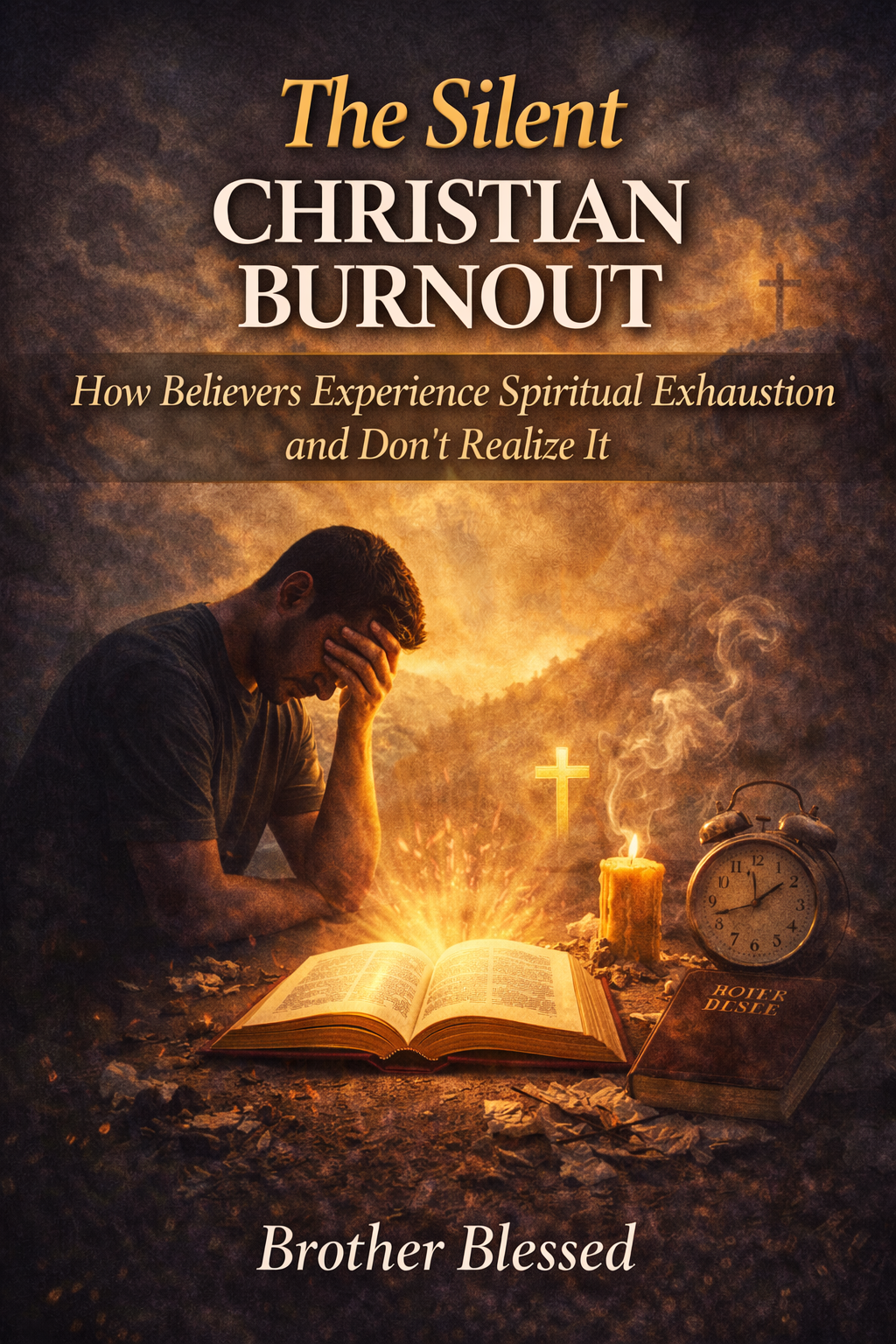
Introduction
Many Christians pride themselves on being “always faithful”—praying, fasting, serving, and giving. Yet beneath the surface, a growing number of believers are quietly struggling with spiritual exhaustion. They feel drained, unmotivated, or distant from God, but dismiss these signs as personal weakness, sin, or a lack of faith. This hidden condition is what we call Christian burnout.
Spiritual exhaustion is real. It deeply affects your relationship with God, your effectiveness in ministry, and even your mental and physical health. This article explores why Christian burnout happens, how to recognize it, and what to do to restore your soul.
1. What Is Christian Burnout?
Christian burnout is a state of emotional, mental, and spiritual fatigue caused by prolonged spiritual stress or overcommitment. It can affect pastors, church workers, and any believer deeply devoted to serving God.
Common symptoms include:
- Feeling disconnected from God despite regular prayer
- Loss of joy in worship
- Emotional numbness or irritability
- Persistent fatigue despite rest
- Decreased patience or compassion
- Questioning one’s faith or calling
- Feeling unappreciated or unseen
Burnout is not a lack of spirituality—it is a signal that your soul needs care.
2. Why Christians Experience Silent Burnout
Several spiritual, emotional, and cultural factors contribute to burnout.
A. Overcommitting to Ministry and Service
Many believers say “yes” to every opportunity without setting boundaries. The spirit is willing, but the body and mind have limits.
B. Neglecting Personal Rest
Jesus modeled rest—He withdrew to lonely places to pray. Yet many Christians neglect personal renewal.
C. Pressure to Appear Spiritually Strong
In African and global contexts, being seen as “strong in faith” often discourages honest sharing of struggles. Pretending everything is fine only deepens exhaustion.
D. Carrying Others’ Burdens Excessively
Empathy is a gift, but constant emotional labor without release drains the spirit.
E. Unresolved Personal Pain or Trauma
Spiritual service without personal healing becomes heavy and overwhelming.
F. Unrealistic Expectations
Comparing your spiritual life to others’ highlight reels creates pressure, guilt, and dissatisfaction.
3. How Christian Burnout Shows Up in Daily Life
Burnout is not always dramatic. Often, it appears as:
- Reluctantly skipping prayer or Bible study
- Feeling bored or disengaged during worship
- Avoiding church activities you once loved
- Chronic anxiety about spiritual performance
- Irritability toward fellow believers
- Guilt for feeling spiritually “off.”
Because it is subtle, burnout is rarely recognized until it becomes severe.
4. Biblical Examples of Spiritual Fatigue
Even faithful servants of God experienced spiritual exhaustion:
- Moses grew weary of leading Israel (Numbers 11:14–15).
- Elijah fled in despair, emotionally depleted (1 Kings 19:4).
- David frequently expressed spiritual anguish (Psalm 38:8).
These examples show that fatigue does not equal failure. It is part of the human experience—even among God’s champions.
5. How to Restore Your Soul and Prevent Burnout
1. Rest and Withdraw
Jesus said, “Come aside and rest a while” (Mark 6:31). Rest is not laziness—it is spiritual renewal.
- Step back temporarily from ministry duties
- Disconnect from digital distractions
- Spend quiet time in prayer and reflection
2. Reevaluate Your Commitments
Ask yourself:
- What drains me spiritually?
- What truly aligns with God’s calling for me?
- Where am I saying “yes” unnecessarily?
Boundaries are biblical.
3. Seek Emotional Healing
Burnout often grows from unresolved pain.
- Bring hidden hurts to God
- Practice forgiveness
- Consider counseling or mentorship with mature believers
4. Reignite Your Relationship with God
Return to devotion, not duty.
- Pray without an agenda
- Meditate on Scripture
- Worship for joy, not obligation
5. Build a Support System
Spiritual isolation intensifies burnout. Surround yourself with:
- Encouraging believers
- Pastors or mentors
- Prayer partners
- Faithful friends who allow honesty
6. Practice Sabbath Rest
God designed rhythm—work, worship, and rest. Even Jesus rested. Schedule regular spiritual and physical breaks.
7. Guard Your Mind
Avoid constant comparison and self-condemnation. Replace negative thoughts with God’s truth:
- “My grace is sufficient for you.”
- “I am fearfully and wonderfully made.”
- “He who began a good work in me will carry it on to completion.”
6. The Reward of Overcoming Christian Burnout
When burnout is addressed:
- Intimacy with God deepens
- Joy in service returns
- Emotional health improves
- Ministry effectiveness increases
- Your testimony grows stronger
Burnout is a warning, not a verdict. When handled biblically, it becomes a pathway to deeper spiritual maturity.
Conclusion: Listen to Your Soul and Honor Your Limits
Spiritual exhaustion does not mean failure. Even the most devoted believers grow weary. The key is recognizing burnout early, responding with rest, healing, and spiritual care, and allowing God to restore your inner fire.
A refreshed Christian is a powerful Christian.
Don’t ignore your exhaustion—your soul, your ministry, and your witness depend on restoration.
FAQ: Can Christians experience burnout even when serving God faithfully?
Yes. Even devoted believers can become spiritually exhausted when they neglect rest, emotional healing, and personal renewal. Burnout is not proof of weak faith—it is often a sign that the soul needs restoration and balance.