
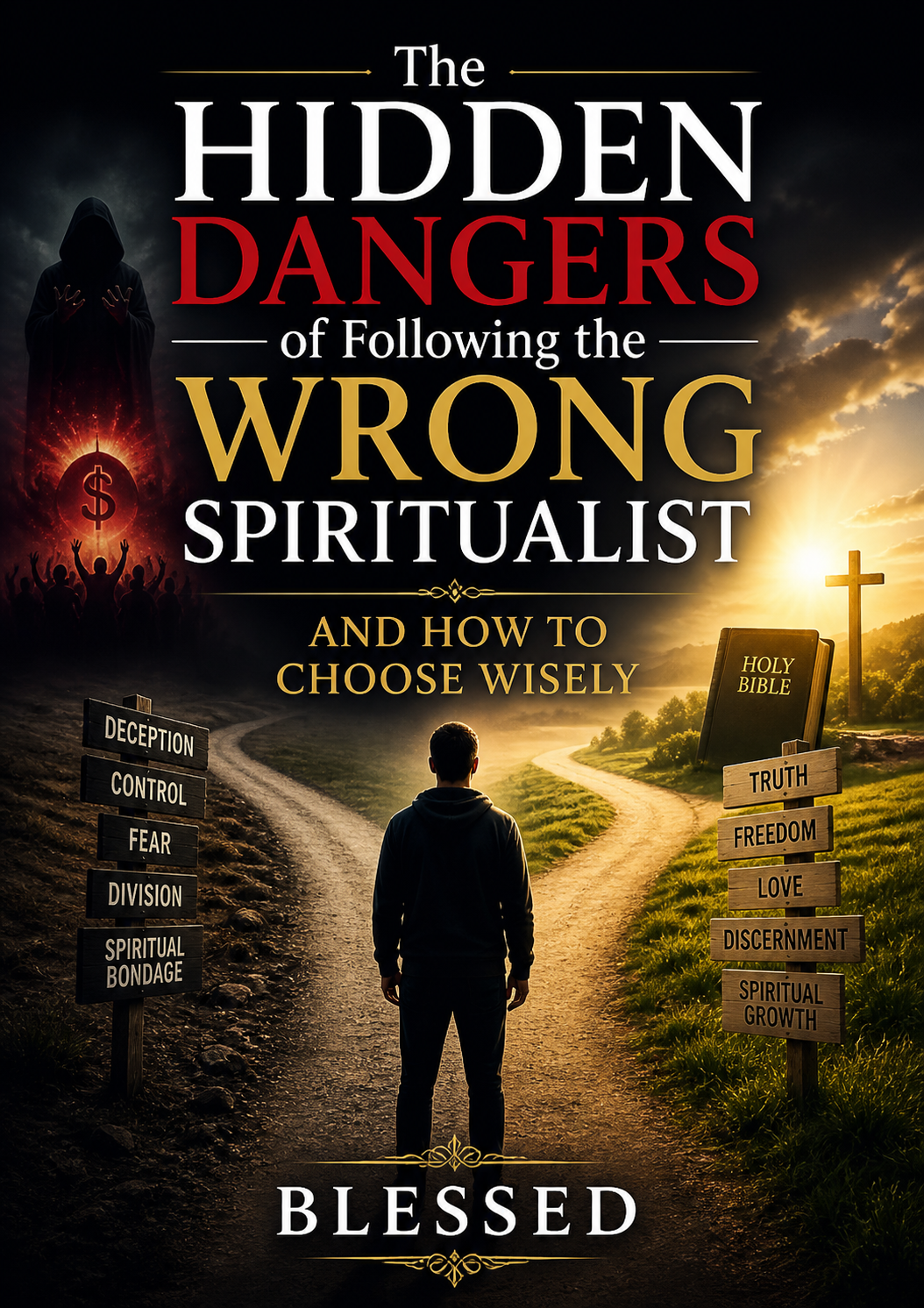
Introduction
Spiritual leadership plays a meaningful role in the lives of many people. Pastors, prophets, and spiritual mentors often serve as guides in matters of faith, personal decisions, and spiritual growth. When such leadership is healthy, it can encourage maturity, transformation, and a deeper walk with God.
However, when spiritual influence is not guided by wisdom, humility, and accountability, it may gradually affect individuals in ways they do not immediately recognize.
This article explains the possible risks of unhealthy spiritual influence, how it can affect personal development, and practical ways to exercise discernment when choosing spiritual guidance.
1. Understanding the Influence of Spiritual Leadership
Spiritual leaders often carry influence over the beliefs, emotions, and decisions of those who follow them. When this influence is rooted in truth and humility, it can help people grow in faith and character.
However, when leadership becomes unbalanced or lacks accountability, followers may slowly begin to adopt certain behaviors or mindsets without careful reflection.
Some possible effects may include:
- Reduced independence in personal decision-making
- Emotional reliance on a single leader
- Difficulty questioning teachings or instructions
- Strained relationships due to extreme interpretations
Healthy spiritual leadership should always point people toward God and encourage personal spiritual maturity, not dependence on human authority.
2. Possible Signs of Unhealthy Spiritual Leadership
Discernment is an important part of spiritual growth. Below are some warning signs that may suggest an unhealthy leadership environment:
a. Excessive control or pressure
Healthy leadership encourages voluntary faith and personal conviction, not fear or pressure-based commitment.
b. Discouragement of personal growth
A balanced spiritual guide supports education, career development, and responsible independence.
c. Social isolation
When followers are discouraged from maintaining healthy relationships or interacting with others outside the group, it can limit emotional and spiritual balance.
d. Lack of concern for individual development
Healthy leaders show genuine care for long-term personal growth, not just immediate benefit or loyalty.
e. Over-dependence on the leader
True spiritual guidance should help people grow closer to God, not become overly dependent on one individual.
3. Potential Effects on Personal Life
When spiritual environments are not balanced, they may gradually affect different areas of life, such as:
- Personal identity: A person may struggle to think independently or make personal decisions.
- Relationships: Family and friendships may become strained due to differences in belief or influence.
- Emotional well-being: Confusion or inner conflict may arise when teachings are unclear or extreme.
- Life direction: Personal goals, education, or development may be delayed or neglected.
These effects vary from person to person, but awareness helps in making better choices early.
4. A Biblical Example of Discernment
The Bible encourages believers to be spiritually alert and discerning.
In Acts 17:11, the Berean Christians were praised because they did not accept teachings blindly. Instead, they carefully examined the Scriptures every day to confirm whether what they were hearing was true.
This example shows that even in spiritual matters, believers are encouraged to verify teachings, seek understanding, and remain grounded in truth rather than blind acceptance.
5. How to Develop Spiritual Discernment
Spiritual maturity involves the ability to recognize truth, apply wisdom, and make balanced decisions. Here are helpful principles:
a. Build a personal relationship with God
Faith should be rooted in personal connection with God, not only dependence on human leaders.
b. Focus on character and consistency
Healthy leadership is demonstrated through humility, love, patience, and integrity over time—not just words or spiritual displays.
c. Seek wise counsel
Surround yourself with balanced and trustworthy people who can offer honest guidance when needed.
d. Prioritize personal growth
Any healthy spiritual environment should encourage education, responsibility, and self-improvement.
e. Be open to correction and adjustment
When something feels spiritually or emotionally unhealthy, it is wise to seek clarity and make necessary adjustments for peace and growth.
Conclusion
The choice of spiritual guidance can significantly influence a person’s beliefs, emotions, and life direction. For this reason, wisdom and discernment are very important when choosing who to follow.
Healthy spiritual leadership encourages growth, peace, humility, and a closer relationship with God. It does not create fear or unhealthy dependence but promotes maturity and freedom.
By staying grounded in truth, learning from Scripture, and applying personal discernment, individuals can make wise spiritual choices that positively shape their lives.
Remember: true spiritual leadership draws you closer to God—not deeper into human control.